Fluoride has been shown effective in the prevention of tooth decay for more than 100 years. Up till now fluoride has been widely used.
Domestic water in Hong Kong has been fluoridated since 1961. This has led to a great decline in the incidence of tooth decay. Today in Hong Kong, the fluoride concentration in water is 0.5 ppm (parts per million). By drinking fluoridated water, the intake of fluoride is adequate to prevent tooth decay.
Fluoride is found in tea leaves and certain seafoods.
Fluoride is added in most of our oral care products, such as toothpaste, mouthwash and dental floss. Researches have shown that daily toothbrushing with fluoride toothpaste reduces the incidence of tooth decay by 20%. This has proved that fluoride toothpastes are very effective in preventing tooth decay.
| Oral Care Products | Concentration of fluoride | Directions of use |
|---|---|---|
| Adult Toothpaste | 1,000 - 1,450ppm | Brush the teeth with a pea-sized blob of toothpaste in the morning and before bed at night every day. |
| Children Toothpaste | 500 - 1,000ppm | |
| Mouthwash | 230ppm 0.05%NaF | Rinse for 1 minute daily. |
| 900ppm 0.2% NaF | Rinse for 1 minute weekly. | |
| Dental Floss | Use once daily. |
Generally, a young child should use a pea-sized blob of children toothpaste which contains a lower concentration of fluoride. Ingestion of excessive amount of fluoride will lead to dental fluorosis with white patches found on the newly erupted permanent teeth.
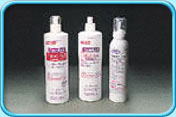
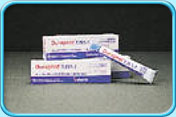
These topical fluoride agents are in very high concentration. The application of topical fluoride on the tooth surfaces can prevent tooth decay or reduce tooth sensitivity. The dental care personnel usually choose a type of topical fluoride which is appropriate for the patient's oral health condition.
 |
|
 |
|
To allow topical fluoride to fully function, you should not brush your teeth or chew food for at least 4 hours after topical fluoride has been applied on to your teeth.

