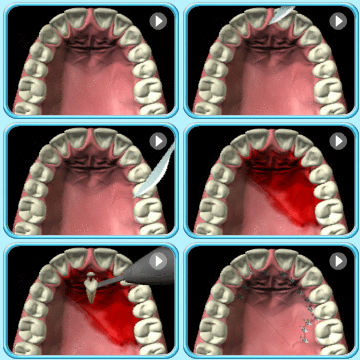
Extraction
The aim of extraction is to take out the tooth with severe problem or not suitable to retain, or to prepare for another course of treatment like orthodontic treatment.
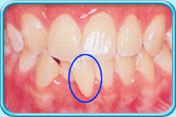
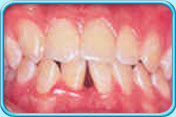
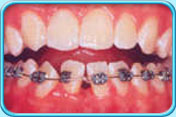
Conditions leading to extraction include:
Extraction methods
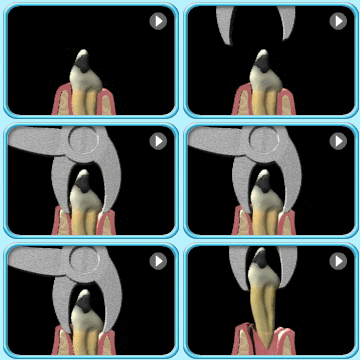
Non-surgical method
Surgical method
Points to note for extraction
- The dentist will assess and discuss with you on the possible risks and benefits of extraction of a tooth. The most common risk is fracturing a tooth during extraction and may need surgical procedures to complete.
- In some special occasions, after extraction, a patient may bleed or may have wound swelling and pain continually or even may have wound infection. So he/she should seek for dentist help as soon as possible if the wound continues to have profuse bleeding, abnormal swelling and pain for more than three days without any sign of improvements, foul smell and pus running and if they have fever.
- In the very rare occasion, the nearby teeth, soft tissues or nerves may get damaged during extraction. If this happened, the patient needs referral to specialist, e.g. oral maxillofacial surgeon for intensive care.
- If the patients have other systemic diseases or taking medicines like anticoagulants or bisphophonate (for treatment of osteoporosis or cancer), they should consult their medical doctors before extraction to understand whether extraction can be proceeded or whether they need to take antibiotic, etc. in order to ensure extraction can be done safely.
Post-extraction care
After extraction, bite on a gauze pack for 30 to 60 minutes to arrest bleeding from the tooth socket. Meanwhile we should swallow the saliva normally. In order to avoid bleeding from the socket again, the blood clot in it should not be touched or disturbed.
On the same after extraction:
- Do not rinse the mouth.
- Do not eat hard or rough food.
- Do not touch the blood clot by the tongue or fingers.
- Do not drink alcohol containing beverages.
- Do not attempt vigorous exercise.
If there is profuse wound bleeding, the patient should immediately see his/her dentist or depends on the bleeding severity, seek for emergency care in the A&E of the nearby hospitals.
- As the tissues around the extraction site will be numb for some time, to avoid hurting them, do not bite or unduly touch those areas within 3 hours.
- It is normal to have some swelling at the wound, and it will subside in a few days. We may follow the dentists instruction to take the medication or use cold pack to relieve it.
- Take the medication as instructed.
- As food debris would trap in the tooth socket on the following days, we should rinse the mouth with lukewarm water or saline after eating in order to keep the wound clean.