Depending on the active ingredients they contain, different types of mouthwash can be used to prevent tooth decay, reduce formation of dental plaque and gingivitis (inflammation of the gums) or reduce tooth sensitivity.

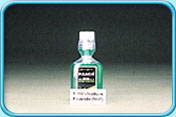 |
This kind of mouthwash contains fluoride compounds such as 0.05% Sodium Fluoride (NaF) which provides extra fluoride to the people who need it. Using it daily may give additional protection against tooth decay. |
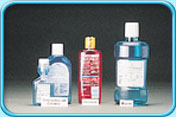 |
It inhibits plaque accumulation, thus reducing the chance of getting gingivitis (inflammation of the gums). The active ingredients include Chlorhexidine Gluconate, Thymol, Cetylpyridinium Chloride (CPC), etc. However, long term use of mouthwash may stain the teeth and alter taste sensation. You are advised to consult your dentist before use. Correct usage of suitable mouthwash under professional advice is recommended. |
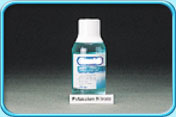 |
This kind of mouthwash contains active ingredients such as Arginine which claims to seal the dentinal tubules at the sensitive site, thus reducing tooth sensitivity. You should always consult your dentist whether you need the desensitizing mouthwash and follow his/her instruction on how to use it. |

