There are many different types of toothpaste available in the market. The followings are the common types of toothpaste:
Fluoride toothpaste, desensitizing toothpaste, anti-calculus toothpaste, anti-plaque toothpaste, and whitening toothpaste. Their various functions depend on the active ingredients they contain.
 |
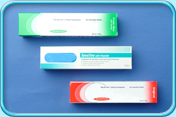
Anti-decay toothpasteThey contain Fluoride Compounds such as Sodium Fluoride (NaF), Stannous Fluoride (SnF2), or Monofluorophosphate (MFP2) etc. Adult toothpaste contains 1000 - 1,450 ppm (parts per million) fluoride, while children toothpaste contains 500 – 1,000 ppm fluoride. Children toothpaste is usually candy flavoured or fruit flavoured, which is more appealing to children. |
 |
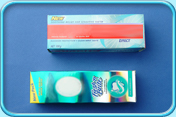
Desensitizing toothpasteThe active ingredients provide relief from dentine hypersensitivity symptoms in 2 ways. First, they interrupt the neurone response to pain stimuli; second, they occlude the dentinal tubules of dentine. Active ingredients such as Potassium Nitrate or Arginine, etc., are used by different product manufacturers. There are many different types of desensitizing toothpastes marketed by different brand names. Their various functions depend on different active ingredients they contain. Therefore, you are advised to consult the dentist and undergo a thorough check-up to explore the cause of tooth sensitivity before using desensitizing toothpaste. You should consult the dentist if the symptoms of tooth sensitivity persist after using desensitizing toothpaste. |
 |
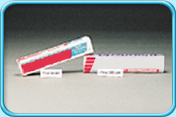
Anti-calculus toothpasteThe manufacturer claims that the calcification of dental plaque could be retarded by this kind of toothpaste, thus it reduces the rate of calculus formation. The active ingredient is Pyrophosphate or Zinc Citrate, etc. |
 |
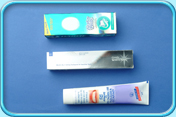
Anti-plaque toothpasteThis kind of toothpaste inhibits plaque accumulation, reduces the toxic effects of the bacterial toxin on the tooth surrounding tissues, thereby reduces the chances of getting gum disease. In the market, different anti-plaque toothpastes contain different active ingredients such as Zinc Citrate. |
 |
Whitening toothpasteThis kind of toothpaste contains relatively coarse abrasives which function by abrading the stains on the tooth surface, giving a whitening effect. The effects of the long term use of this kind of toothpaste are still unknown. |

