Tooth decay refers to the loss of minerals from tooth structure caused by bacteria.
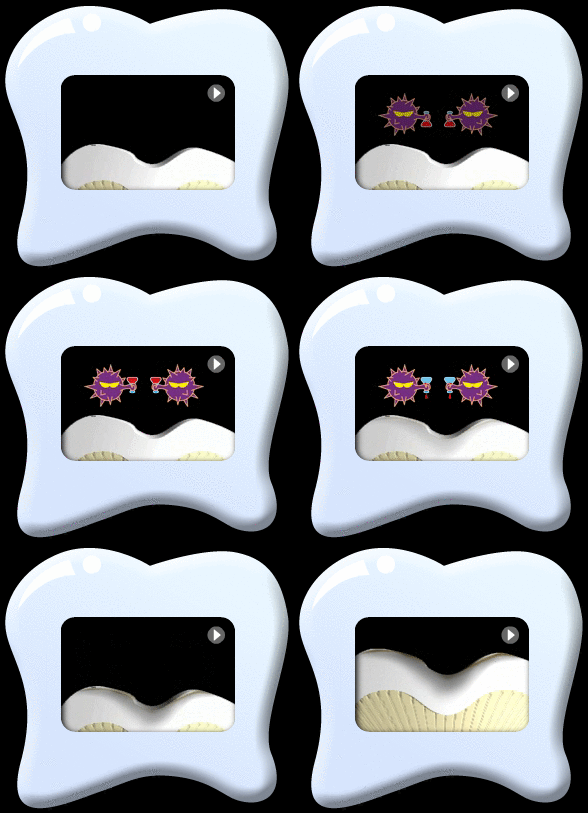
The tooth surfaces are normally covered with dental plaque. The bacteria in the dental plaque will metabolize the sugars in your food and produce acids which will demineralize the tooth surface.
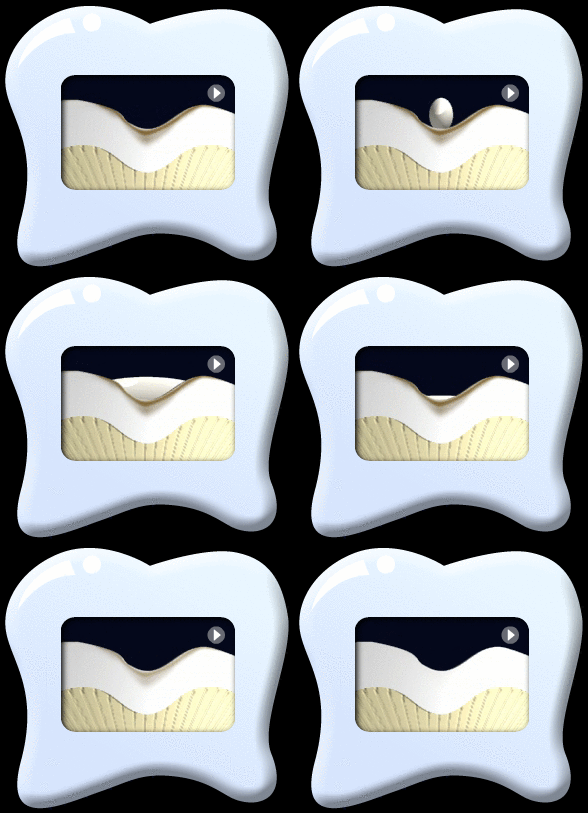
Saliva can reduce acid attacks towards teeth by neutralizing it and prevent further loss of minerals. However, it must have enough time for saliva to work.
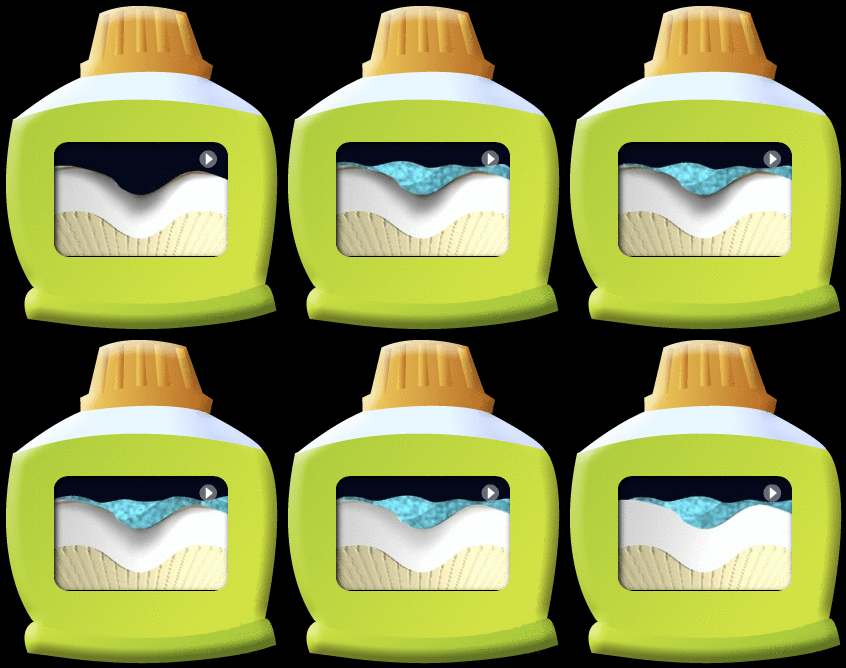
If we eat and drink frequently, saliva will not have enough time to work. The minerals on tooth surface will continue to lose out, and then tooth decay may occur.
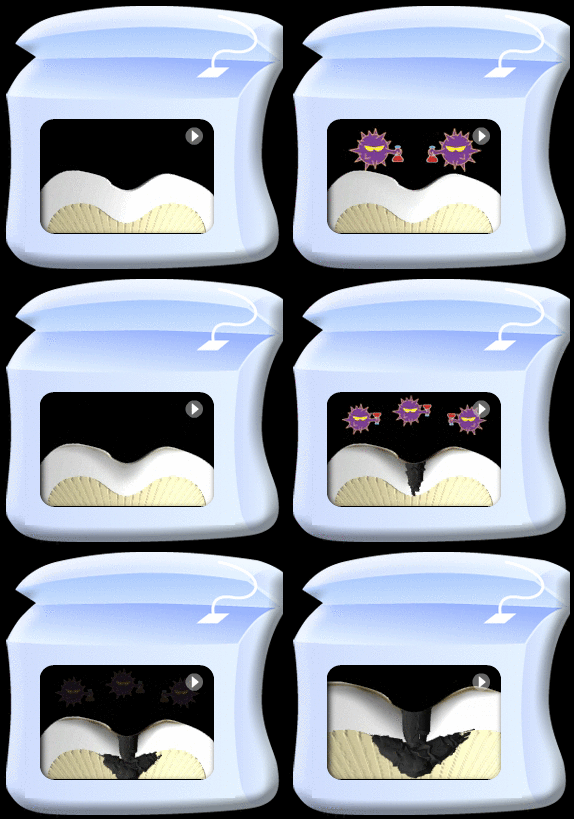
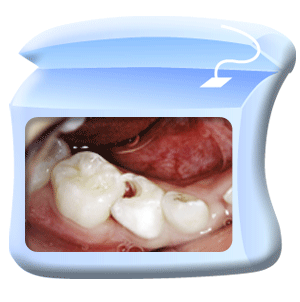
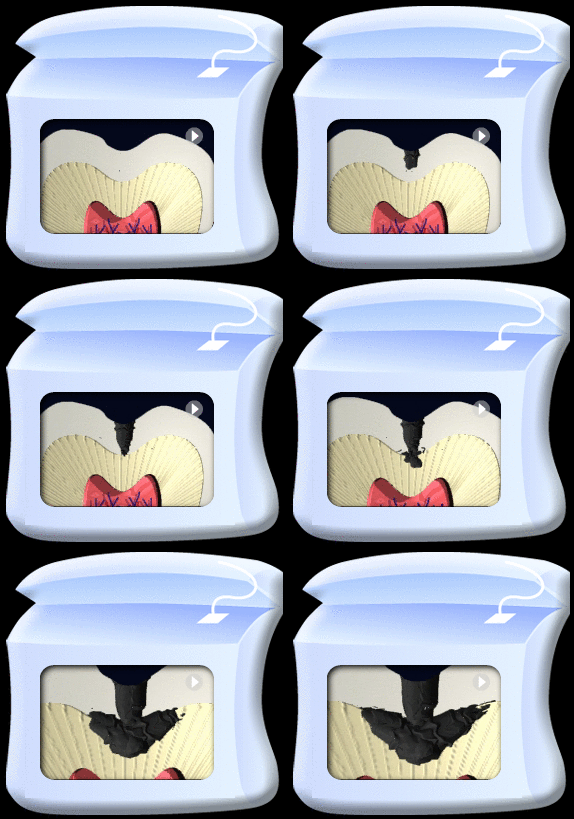
Decay usually occurs at enamel of the tooth. Early stage of tooth decay is usually painless and the tooth seems undamaged from naked eye. Therefore, it is difficult to notice the decay.
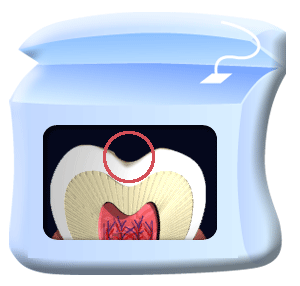
Treatment:
The early tooth decay can be restored by application of concentrated fluoride by dentist.
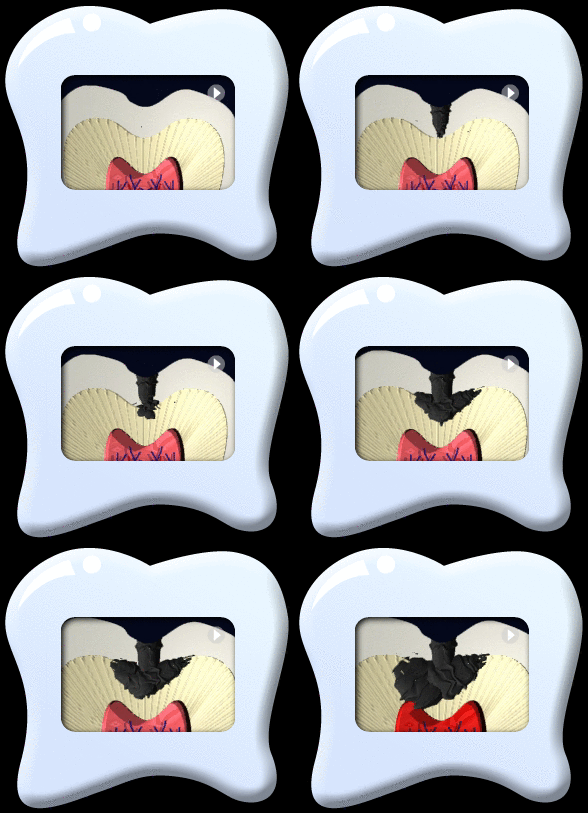
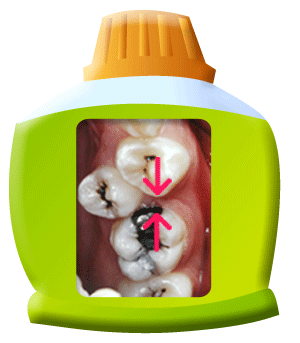
When tooth decay spreads into dentine, a cavity may appear, and pain is felt when eating.
Treatment:
At this stage, the carious cavity is obvious and cause severe pain. The pulp tissues are infected by the bacteria and may become inflamed or even necrotic. The bacteria may spread from the pulp to the tooth surrounding tissues via the apex of the tooth, leading to the formation of abscess.
Treatment:
The decayed cavity emits unpleasant odour and causes bad breath. This directly affects the normal social life

Tooth decay may lead to persistent pain, which may not be controlled by painkiller, and therefore affects one's appetite, studies, work and sleep
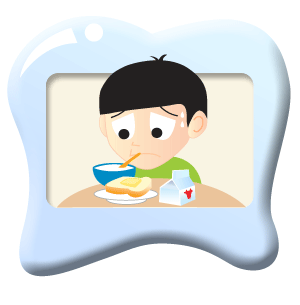
If a tooth is severely damaged, and even pulp treatment is not applicable, an extraction is then necessary. After extraction, the neighbouring teeth may shift towards the empty space and cause malocclusion
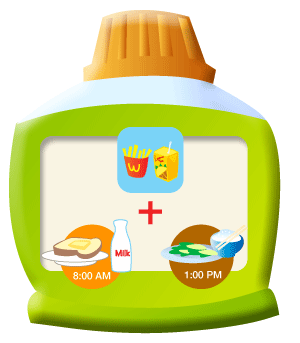
Every time when we eat, demineralization occurs at the surface of our teeth and creates a chance for getting tooth decay. The more often we eat, the more chances we have to get tooth decay. Therefore, having regular meals three times a day with sufficient amount of food during each meal will reduce the frequency of meals. In addition, drink plain water to quench thirst. This can reduce the chance of getting tooth decay. If you feel hungry in between meals, you may snack once.
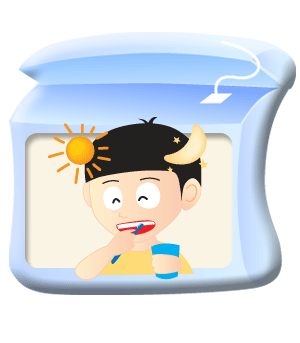
Fluoride strengthens the teeth by increasing their resistance to acid attack. Fluoride also facilitates minerals to re-enter the teeth (remineralization) and helps restore early tooth decay.Therefore, you should brush in the morning and before bed at night with fluoride toothpaste.
Have regular dental check-up at least once a year so that tooth decay. can be diagnosed at an early stage. Preventive dental treatments such as fissure sealants can be applied.

